





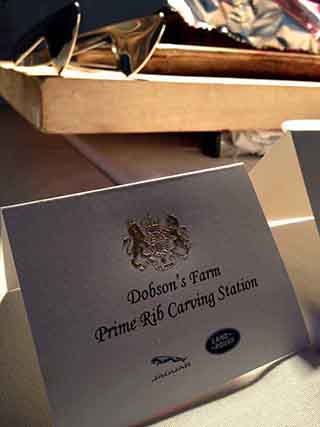
A Recent Ottawa Feast with Dobson's Grass Fed Beef
Cooking Grass-fed Beef
Grass-fed beef has high protein and low fat levels so it will usually require 30% less cooking time than conventional beef. This beef is made for rare to medium rare cooking. If you like beef well done, then cook it at very low temperatures in a marinade. Choose a recipe that doesn't mask the natural flavour of grass-fed beef but enhances the moisture content. A favourite marinade using lemon, balsamic vinegar, olive oil, wine or beer is a great choice.
Our Top Ten Tips for cooking grass-fed beef:
- Your biggest culprit for tough grass fed beef is overcooking. This beef is made for rare to medium rare cooking. If you like well done beef, then cook your grass fed beef at very low temperatures in a sauce to add moisture.
- Since grass fed beef is extremely low in fat, coat with virgin olive oil, truffle oil or a favorite light oil for flavour enhancement and easy browning. The oil will, also, prevent drying and sticking.
- We recommend marinating your beef before cooking especially lean cuts like Sirloin Steak. Choose a recipe that doesn't mask the delicate flavour of grass fed beef but enhances the moisture content. A favorite marinade using lemon, vinegar, wine or beer is a great choice.
- Grass fed beef has high protein and low fat levels, the beef will usually require 30% less cooking time and will continue to cook when removed from heat. For this reason, remove the beef from your heat source 10 degrees before it reaches the desired temperature.
- Reduce the temperature of your grain fed beef recipes by 50 degrees. The cooking time will still be the same or slightly shorter even at the lower temperature. Again . . . watch your meat thermometer and don’t overcook your meat. Use moisture from sauces to add to the tenderness when cooking your roast.
- Never use a microwave to thaw your grass fed beef. Either thaw your beef in the refrigerator or for quick thawing place your beef in a vacuum sealed package in water for a few minutes. Bring your grass fed meat to room temperature before cooking . . . do not cook it cold straight from a refrigerator.
- Always pre-heat your oven, pan or grill before cooking grass fed beef.
- When roasting, sear the beef first to lock in the juices and then place in a pre-heated oven. Save your leftovers . . . roasted grass fed beef slices make great healthy luncheon meats with no additives or preservatives.
- When preparing hamburgers on the grill, use caramelized onions, olives or roasted peppers to add low fat moisture to the meat while cooking. We add zero fat to our burgers so some moisture is needed to compensate for the lack of fat.
- Never use a fork to turn your beef . . . precious juices will be lost. Always use tongs.
More Excellent Cooking Tips are Available From:
"Savour - Savourez Ottawa"
"The Healthy Butcher, Toronto"